
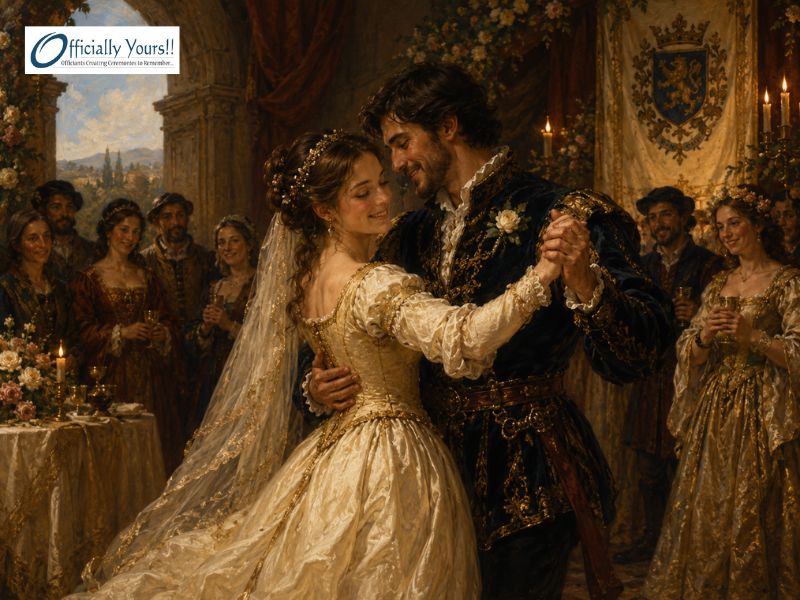
The Weird History of Wedding Rituals
Weddings are rooted in ancient customs, beliefs, and superstitions that have evolved into the diverse celebrations we see today. From binding agreements to symbolic acts, the oldest wedding traditions reveal how societies have long formalized love, alliance, and community. This post explores the odd, the ancient, and the enduring elements that shape modern weddings, with a special focus on the oldest wedding traditions and what they meant to the people who practiced them.
Introduction: Why wedding rituals feel timeless, and a little strange
Wedding rituals across cultures often seem poetic, even magical. Yet many of these practices began as pragmatic tools for survival, legal bonds, or protective rites. By tracing the oldest wedding traditions, we can understand how love and partnership were negotiated in times when courts and communities controlled personal futures. The weird and wonderful aspects of these rituals remind us that modern weddings are deeply wired to human needs for security, legitimacy, and ritual meaning.
The oldest wedding traditions: a survey of enduring anchors
Betrothal and public alliance
Long before roses and reception dinners, marriages often functioned as public contracts between families. Betrothal ceremonies solidified alliances, ensuring wealth, land, and lineage were preserved. These early traditions established the couple as a unit within a broader social framework, sometimes with witnessed vows or official marks of agreement.
The binding of hands and oaths
Many ancient weddings featured physical acts that bound the couple together. Handfasting, for example, is one of the oldest wedding traditions known in various cultures. A cord, rope, or ribbon was wrapped around the couple’s hands to symbolize their union and the joining of families. This act was not merely decorative; it signified a legal and social contract, sometimes lasting a year and a day before a more permanent decision was made.
Exchange of gifts and symbols of property
Gift exchange has appeared in numerous wedding rites, signaling transfers of property, dowries, or social status. Objects like dowries, rings, or symbolic tokens carried practical and ceremonial weight. In some traditions, the ring is not just a symbol of eternal love but a pledge of mutual responsibility and ownership within the formal partnership.
The bridal veil and the journey to the home
The veil has a layered history. In some cultures, it served to conceal the bride from misfortune or evil spirits, a practical superstition aimed at protecting the union. In others, lifting the veil marked a new stage in life, entering the couple’s shared home and social status. The journey from single life toward the family unit is echoed in many bridal practices, even when their meanings have shifted.
The exchange of names and social status
Adoption of spousal lineage or name changes was a common feature in many ancient weddings. Changing surnames or taking a husband’s family name signified legal continuity and integration into the new household. While modern norms have diversified naming practices, the oldest traditions laid a clear template for social identity within marriage.
Sacred blessings and ritual purity
In several cultures, weddings incorporated religious or spiritual blessings, cleansing rites, or purity rituals. These practices reflected beliefs about compatibility, fertility, and the couple’s ability to thrive within a moral order. The weird and wonderful combinations of ritual purity and sacred promise show how religion and law intertwined in the formation of family life.
The quirky and the lasting: why some odd traditions persist
Feasting, dancing, and communal joy
Many centuries-old weddings included large communal feasts and dances. Food and music served not only as celebration but also as social glue, reinforcing alliances and inviting extended networks to participate in the couple’s new future.
Symbolic acts with practical outcomes
Some rituals, though seemingly strange, carried practical purposes. For instance, breaking bread together might symbolize shared responsibility for provisioning the household, while lit candles could represent light guiding the couple through dark times. These acts embed daily life into sacred moments.
Preservation of lineage through ritual
Old traditions often emphasize lineage, property, and alliance. Even as societies modernize, elements like vow exchanges, familial witnesses, and community involvement retain their intrinsic social function: confirming and legitimizing a union in the eyes of kin and neighbors.
Modern reflections: how the oldest wedding traditions inform today’s weddings
Today’s weddings blend ancient motifs with contemporary preferences. Couples may choose to incorporate certain elements, such as handfasting vows, unity candles, or rings, as nods to their heritage. Recognizing the oldest wedding traditions helps us appreciate the symbolism behind modern customs: commitment, partnership, and communal celebration, all wrapped in a story that stretches back through time.
The Weird History of Wedding Rituals – Final thoughts: embracing the weird, honoring the timeless
The history of wedding rituals teaches us that love has always existed within a framework of social order, cultural myth, and shared ceremony. The oldest wedding traditions are a reminder that what feels strange or ceremonial on the surface often carries practical and symbolic purpose. By exploring these roots, couples can design weddings that feel authentic, meaningful, and a little wonderfully odd, just like the long arc of human partnership.
If you enjoyed this look at the weird history of wedding rituals, consider how your ceremony might echo ancient practices in a way that respects tradition while reflecting your personal story. The oldest wedding traditions have a lot to teach us about belonging, responsibility, and joy.
Visit our main blog page for more interesting articles
Follow Us!