
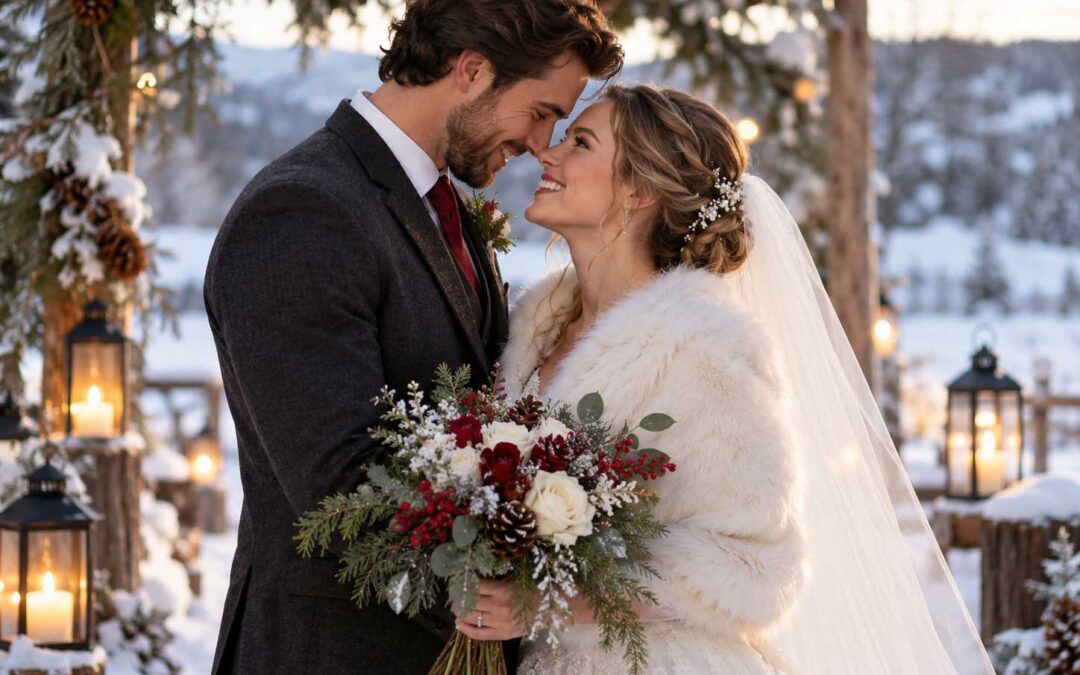
How Formal Are Winter Weddings Usually?
Winter weddings have a certain magic that sets them apart from other seasons. The crisp air, twinkling lights, and cozy atmosphere often inspire couples to choose a distinct style and level of formality. But just how formal are winter weddings usually? The answer is: it varies. Below, we explore the factors that influence formality, share style ideas, and offer practical tips to help you plan a winter wedding that feels exactly right.
Introduction: setting the stage for a winter wedding
Winter weddings echolocate the elegance of timeless occasions while wearing a seasonal hat of warmth. The choice of formality often hinges on venue, guest list, and personal taste. Whether you dream of a black-tie affair or a relaxed, intimate gathering, a winter wedding can be tailored to fit your vision without sacrificing the season’s charm. In this post, we’ll look at typical levels of formality for a winter wedding and how to achieve them with cohesion and a distinctly wintery atmosphere.
Understanding formality in weddings
Formality in weddings generally falls along a spectrum:
- Casual or semi-formal: Guests wear dressy-casual attire; the overall vibe is comfortable and intimate.
- Semi-formal to formal: Dress codes lean more toward cocktail attire or suits and elegant dresses.
- Black-tie or formal: Gowns, tuxedos, and a polished, high-end aesthetic dominate the event. Winter adds texture and mood to any level of formality through décor, lighting, and attire choices.
Common formalities you’ll encounter in a winter wedding
Black-tie winter wedding
A black-tie winter wedding exudes classic glamour. Expect floor-length gowns, tuxedos, and a sophisticated reception setup. The season’s palette might lean toward deep jewel tones like emerald, sapphire, and burgundy, complemented by metallic accents. Consider luxurious elements such as fur stoles (or faux fur), velvet textures, and candlelight to amplify warmth in a chilly setting.
Formal or black-tie optional winter wedding
Not everyone is comfortable in full black-tie attire, and many couples opt for a formal or black-tie optional approach. Guests might wear dark cocktail dresses or dressy suits, while the couple still aims for a refined aesthetic. Winter-specific décor, such as cascading greenery, crystal-adorned chandeliers, and warm lighting, helps maintain a sense of elevated formality without requiring tuxedos for all guests.
Semi-formal or cocktail attire winter wedding
A semi-formal winter wedding invites guests to wear elegant but less restrictive outfits. Think cocktail dresses, dressy jumpsuits, suits, and smart separates. The venue can still feel lavish with seasonal florals, lanterns, and a curated color palette that evokes winter without being austere.
Casual or intimate winter wedding
Even at the more casual end of the spectrum, a winter wedding preserves a sense of ceremony and romance. Simple, cozy venues, like a small chapel, a barn with heaters, or a boutique hotel ballroom, can work beautifully with a smart dress code, seasonal décor, and thoughtful touches such as a hot cocoa bar or warm pastry stations.
Key considerations that shape formality
Venue and seasonality
Winter venues often have their own inherent formality. A luxury hotel ballroom or a historic mansion may nudge toward formal attire, while a rustic lodge might inspire a more relaxed but still polished look. The time of day also matters; a daytime ceremony at a winter venue often leans more casual than an evening ceremony with candlelight and a full gala vibe.
Color palettes and décor
Formality is reinforced through color and décor. Deep, rich colors (plums, wine, navy) and metallic accents (gold, copper, silver) tend to feel formal and seasonally appropriate. If you’re aiming for a softer look, you can still achieve winter elegance with icy blues, frosted whites, and subtle textures like velvet or satin.
Attire choices
Attire strongly communicates formality. For couples, consider coordinated outfits that align with the season: a velvet wedding dress, a tailored suit with a statement tie or boutonniere, and coordinated accessories. For guests, provide a clear dress code on invitations to minimize confusion and ensure cohesion with the winter theme.
Weather and comfort
Winter weather influences practicality. Heaters, climate control, and warm accessories can make formal attire comfortable. When planning, reassure guests that a formal look can be weather-appropriate with stylish outerwear options and indoor transitions.
Practical tips for planning a winter wedding with the desired formality
- Be intentional with lighting: Soft, warm lighting creates an intimate, formal atmosphere even in a more casual setting.
- Choose fabrics suited for cold weather: Velvet, satin, wool, and brocade add luxury and warmth.
- Build a cohesive color story: Align invitations, décor, and attire with a winter palette to reinforce formality.
- Consider venue-specific traditions: Some winter venues offer marquee or candlelit options that elevate formality without requiring an overly stiff vibe.
- Communicate dress code clearly: A concise note on invitations helps guests dress appropriately for the level of formality you’ve chosen.
How Formal Are Winter Weddings Usually? – Final thoughts
Winter weddings offer remarkable flexibility when it comes to formality. From black-tie glamour to intimate, casual elegance, the season provides abundant opportunities to tailor your celebration to your taste while embracing winter’s beauty. By aligning your venue, décor, attire, and guest experience with a chosen level of formality, you can create a memorable winter wedding that feels both appropriate for the season and uniquely yours. If you’re planning a winter wedding, decide on the formality you want first, then let the details, color, texture, lighting, and comfort, guide the rest of your decisions. And above all, enjoy the magic that a winter wedding brings.
Visit our blog page for more interesting articles