
What are common officiant mistakes?
Officiants play a pivotal role in weddings and other ceremonies, guiding the moment with clarity, warmth, and a sense of ceremony. Even seasoned officiants can slip into small oversights that disrupt the flow or leave couples wishing for a smoother experience. If you’re planning a wedding or other significant rite, understanding common officiant mistakes, and how to prevent them, can save time, reduce stress, and ensure your ceremony feels authentic and seamless. This post also highlights what to ask your officiant to keep the process on track from start to finish.
Introduction: why officiant choices matter
Choosing the right officiant sets the tone for your ceremony. The officiant’s voice, pacing, and sensitivity to your values reflect the kind of celebration you’re hosting. When couples consider what to ask your officiant, they often discover the hidden details that can cause delays or miscommunications. From legal paperwork to personal vows, the small things add up. By anticipating common missteps, you can craft a ceremony that is both meaningful and smoothly executed.
Common mistakes: what to watch for
1. Lack of clarity about legal requirements
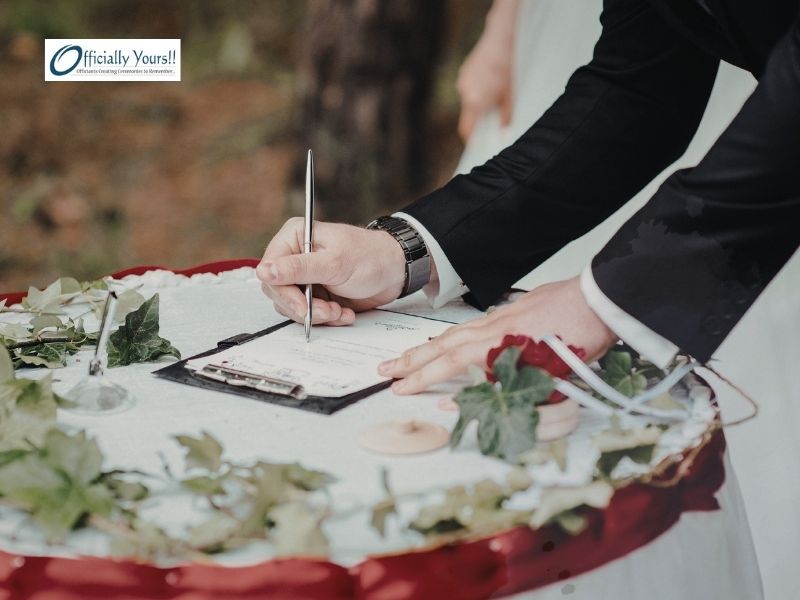
One of the most frequent errors is assuming the officiant will handle all legal aspects without explicit confirmation. Depending on the jurisdiction, there may be specific forms, witnesses, or timing requirements. Not having the right paperwork ready on the wedding day can create last-minute stress.
What to ask your officiant:
- What legal steps are required in our location, and who handles them?
- Do you need any documents sent ahead of time?
- Are there any deadlines we should be aware of?
2. Inadequate rehearsal planning
Ceremonies can run smoothly with a well-planned rehearsal, but many officiants underestimate its importance. A mock run helps everyone understand cues, pacing, and transitions. Skipping or rushing rehearsals often leads to stumbling moments during the actual ceremony.
What to ask your officiant:
- Do you propose a full rehearsal, and when should it occur?
- Can you outline the ceremony flow and cue timing?
- How do you handle unexpected changes on the day?
3. Overly scripted or underwhelming delivery
Balance is key. Some officiants read too rigidly, which can feel impersonal, while others improvise in ways that stray from the couple’s wishes or cultural traditions. A natural, warm delivery that respects the couple’s personalities is essential.
What to ask your officiant:
- How would you describe your speaking style, and can you tailor it to us?
- Do you allow for personal stories or a moment of reflection?
- Can you provide a sample of your ceremony script?
4. Ignoring cultural or faith-based sensitivities
Ceremonies often reflect diverse backgrounds and beliefs. An officiant who isn’t sensitive to religious traditions, family expectations, or cultural practices can inadvertently cause discomfort or offense.
What to ask your officiant:
- How do you handle beliefs that are important to us or our families?
- Are you comfortable incorporating symbolic rituals or readings?
- How will you ensure the ceremony remains inclusive and respectful?
5. Poor coordination with vendors and venues
A ceremony is a coordinated event with photographers, musicians, and coordinators. When the officiant doesn’t communicate effectively with the venue staff or other vendors, timing can slip, and important moments can be missed.
What to ask your officiant:
- How do you coordinate with the venue and other vendors?
- What information do you need from us to ensure smooth timing?
- Do you share a ceremony timeline ahead of time?
6. Inflexibility to changes or rain plans
Outdoor weddings are wonderful, but weather can force a change in plan. Some officiants struggle to adapt quickly, leading to delays or awkward transitions.
What to ask your officiant:
- How would you handle a sudden change in plan (rain backup, ushers, a shortened ceremony)?
- Do you have a backup plan for the ceremony layout and pacing?
- Are you comfortable adjusting on the fly while keeping the moment meaningful?
7. Neglecting inclusive language
Inclusive language matters to many couples and families. Using gender-neutral terms and avoiding assumptions about relationships ensures everyone feels welcome.
What to ask your officiant:
- Do you use inclusive language and avoid gender assumptions?
- Are you comfortable with non-traditional relationships or blended families?
- Can you customize vows to reflect our family structure?
8. Failing to personalize the ceremony
A ceremony that feels generic may leave guests with a sense that the moment wasn’t truly theirs. Personal touches, vows, readings, or a short story about the couple, make the ceremony memorable.
What to ask your officiant:
- How can we incorporate personal vows or stories?
- Do you offer a template for customization, and how long does editing take?
- Can you help select readings or music that align with our theme?
How to prevent these mistakes: a proactive approach
- Start conversations early: Bring up these common concerns during the initial planning phase.
- Request a written ceremony outline: A clear script, cue lines, and timing help everyone stay aligned.
- Schedule a rehearsal: A full run-through reduces the chance of surprises.
- Verify legal responsibilities: Confirm who handles paperwork and deadlines.
- Review inclusivity and personalization options: Ensure your values and family structure are reflected.
What to ask your officiant: a practical checklist
- What is your background and experience with ceremonies like ours?
- How do you handle vows, readings, and rituals?
- Can you provide a draft script, and how many revisions are included?
- What is your fee structure and what does it include (preparation meetings, rehearsal, mic setup, travel, etc.)?
- How do you collaborate with the couple, venue, officiants, and vendors?
- Do you offer a contingency plan for weather or last-minute changes?
- How do you ensure inclusive language and respect for all participants?
- What is your process for obtaining the necessary legal paperwork?
What to ask your officiant is more than a list, it’s a way to align expectations, protect the couple’s vision, and ensure the ceremony reflects who you are as a pair or group.
What are common officiant mistakes? – Final thoughts
Choosing the right officiant involves thoughtful questions and clear communication. By focusing on common officiant mistakes and asking thoughtful questions, you can ensure your ceremony runs smoothly, remains inclusive, and genuinely captures your values and story. A well-prepared officiant helps you stay present in the moment, knowing that the logistics are handled with care. Remember: the most meaningful ceremonies are built on collaboration, clarity, and a shared commitment to making the day uniquely yours. If you take the time to ask your officiant what to ask your officiant, you’ll set the stage for a memorable, heartfelt celebration.
Follow Us!